Lead generation connects an offer with a person who has a reason to enquire, then makes that enquiry easy to handle. For local service businesses, the difference between a promising lead and a missed opportunity is often the journey after submission. We plan campaigns, forms, landing pages and follow-up around the information your team needs to respond meaningfully.
Instant forms allow a person to enquire without leaving Facebook or Instagram. The form should explain the offer, request relevant details and link to your privacy policy. Additional questions can improve context, but unnecessary friction can discourage genuine customers. The right balance depends on your service and the response you need.
Offer and form planning
Relevant qualification questions
Privacy-policy alignment
Landing pages
A campaign destination needs to continue the promise made in the advert. We focus on the service, coverage, relevant proof and one clear action. Telephone, booking and form options are chosen to fit the customer’s situation, not added indiscriminately until the page becomes difficult to navigate.
Message-matched pages
Clear enquiry actions
Mobile-first form journeys
Lead alerts and CRM connections
A submission is useful only if it reaches the right person. We agree the tools you already use and what information should move between them. Alerts and CRM connections are scoped around access, platform capabilities and data handling, with failures and duplicate records considered alongside the happy path.
Notification destinations
Agreed CRM integration
Submission and delivery checks
Follow-up and feedback
A helpful response acknowledges what the customer asked and makes the next step clear. We map follow-up responsibilities and the information needed to quote or book a conversation. Sales feedback can then inform campaign decisions, so unsuitable leads are not mistaken for success simply because the form count increased.
Response journey planning
Booking and qualification steps
Lead-quality reporting
Who a lead-generation system helps
This service is useful for businesses that sell through enquiries rather than immediate online purchases. Roofing, driveways, scaffolding and other local services often need to understand the job before quoting. A form can gather initial context while a call handles urgent requests. The goal is a manageable route into your business, with a real person responsible for the next step.
Build the journey before buying more traffic
We start by defining what counts as a useful enquiry: the service, area and information needed to respond. We then choose the form or landing-page route and confirm where submissions go. Before launch we test delivery, customer messages and tracking. Campaigns are reviewed with sales feedback, not only the platform’s reported number of leads.
Websites that turn ad interest into enquiries
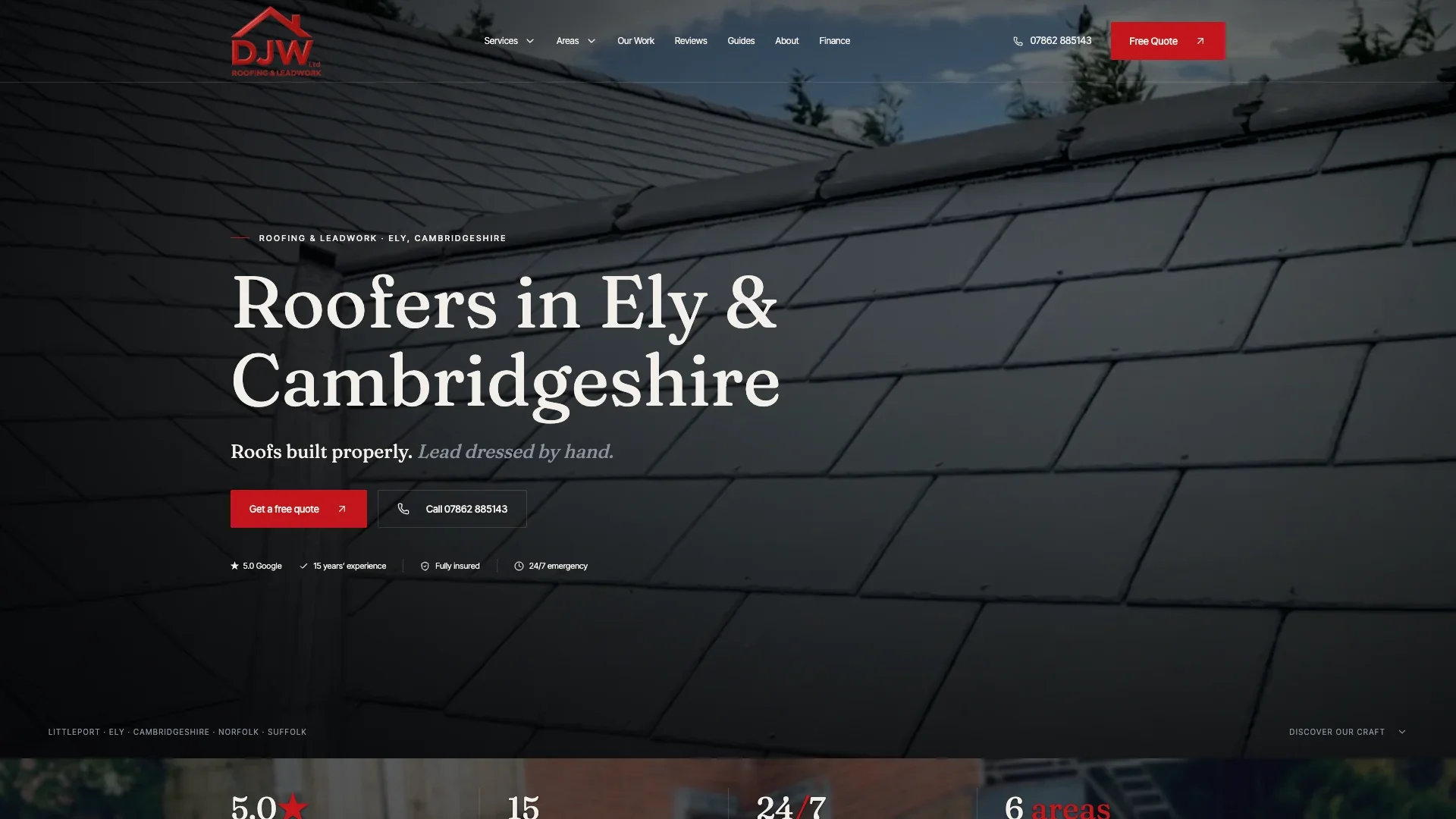
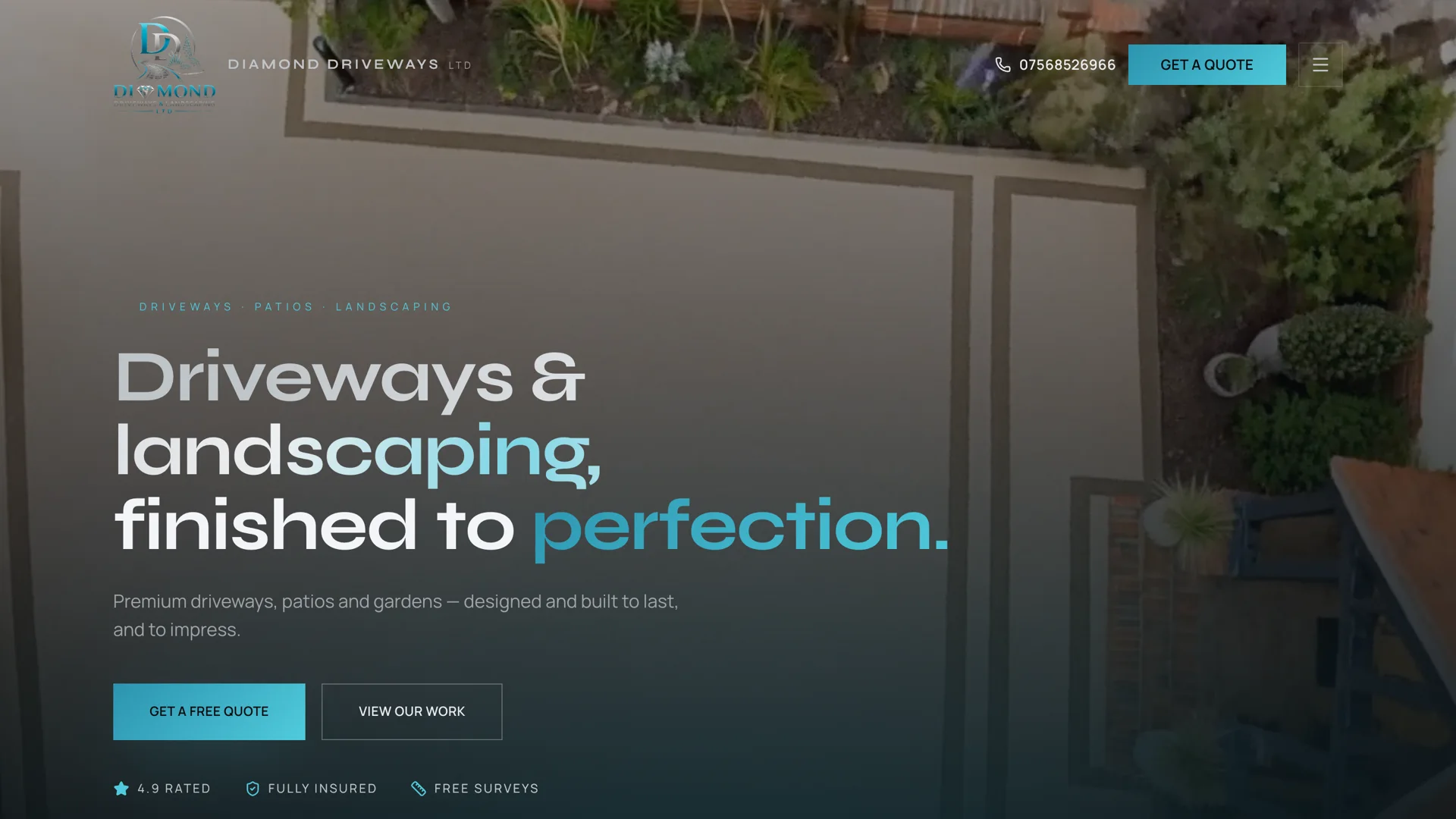
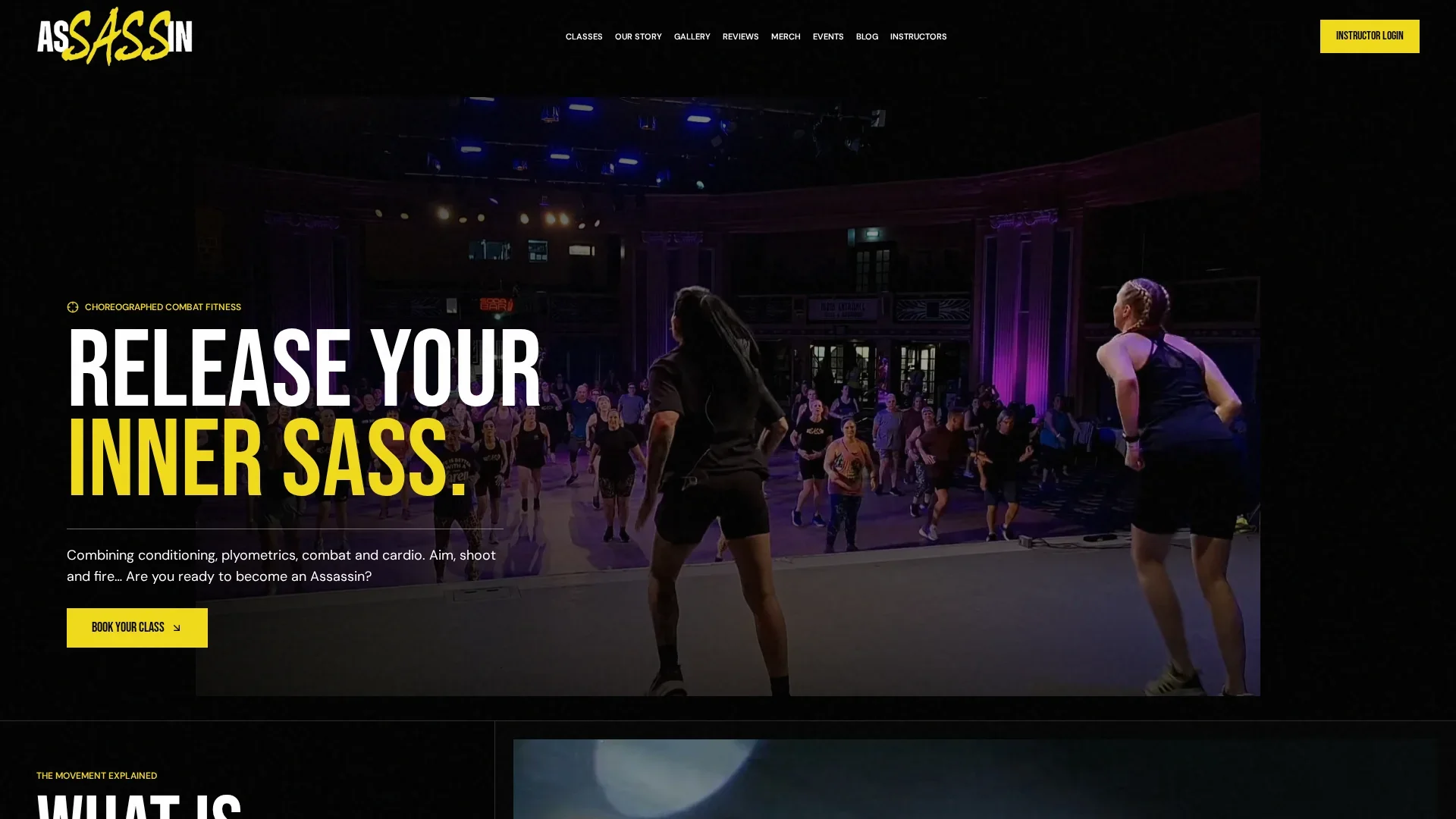
DJW Roofing & Leadwork in Ely shows how a clear roofing website gives enquiries a strong destination, Diamond Driveways presents driveways and landscaping work, and Assassin Fitness is a nationwide combat fitness brand launching soon. Together they show how an offer and its online destination should work as one. These projects are a useful starting point for thinking about your own enquiry journey: what a customer sees, how they contact you and how your team turns that interest into a conversation.
Data quality, privacy and practical follow-up
Forms should request information that has a clear purpose. Privacy information must be accessible, and customer details should not be copied into unnecessary tools. We discuss who receives alerts, how contacts are stored and how your team records outcomes. Connecting the offer, availability, response and quoting process gives your team a clearer path from initial interest to a customer conversation.
Tell us what a useful lead looks like
Bring examples of the enquiries your team wants and the information needed to assess them. A service type, work location or brief project description can make the first response more useful. Tell us who handles enquiries, which tools they use and how a customer moves towards a quote or booking. We can then discuss the form, landing page and notification route together. Existing CRM fields and follow-up messages help identify what should be connected. A clear definition of a useful enquiry gives campaign planning a practical focus and helps your team review the requests coming in, beyond simply counting completed forms.
Connect the enquiry with the next conversation
Our pricing page is a starting point for discussing lead campaigns, landing pages and the connections your team needs. We can agree form questions, privacy links, notification destinations and any supported CRM integration before building the journey. The proposal should make delivery checks and follow-up responsibilities clear, so everyone understands what happens after submission. Your team’s feedback on suitability and sales conversations then helps shape campaign decisions. Where a call or booking suits the customer better than a form, that route can be considered too. Talk to us about the point where enquiries currently slow down and the process you would like instead. Think about the information customers receive after submitting too. A clear confirmation and relevant next step help them understand how the conversation continues. We can review that part of the journey alongside the form and alert destination, so your team has a practical process for receiving and assessing new enquiries.